

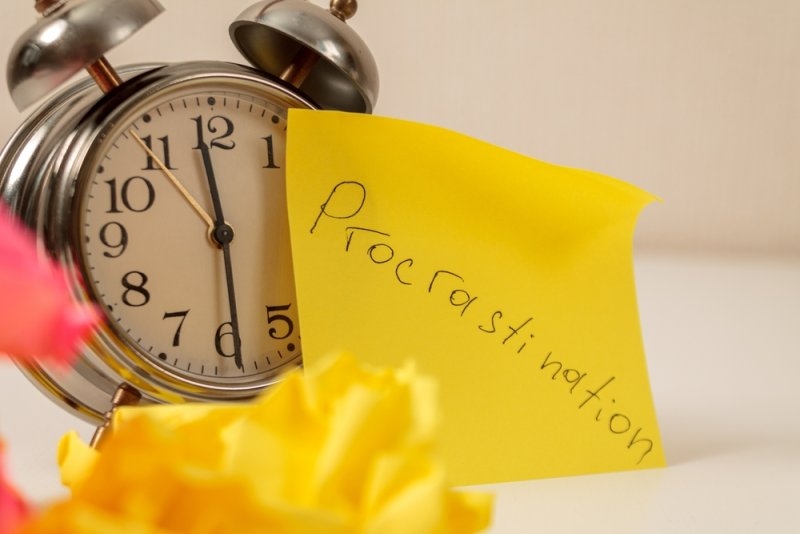
Procrastination almost never boils down to laziness. Usually, a task just feels too boring, too confusing, too tricky, or way too big. So your brain wants to escape. Suddenly, you’re checking your phone, brewing another coffee, watching a quick video. An hour slips by. The secret to stopping procrastination is catching yourself before you drift—notice what happens right before you reach for an easy distraction.
Don’t waste energy trying to force motivation. It’s not about being tougher on yourself. Change how you start. Use smaller steps, clear deadlines, fewer things competing for your attention, and obvious signs of progress. You don’t need a flawless routine to get moving.
Here, you’ll find real, practical ways to spot your own procrastination habits, break out of them, and get more rewarding work done every day.
One reason people delay work is that the first step feels unclear. “Write the report” sounds like one task, but it may contain research, outlining, drafting, editing, and formatting. That mental pile creates resistance before the work even starts.
If you want to stop procrastinating, remove the demand to finish. Commit to five minutes instead. Open the document. Write three rough sentences. Read one page. Put ten items into the spreadsheet.
Once movement begins, continuing often becomes easier because the task is no longer imaginary. It has become something you are already doing.
“Work on the project” is not an action. “Draft the opening paragraph before 10:30” is. Before ending your workday, write the exact next step for tomorrow. This prevents the morning from being wasted figuring out where to begin.
Small clarity has an outsized effect.
Don't Miss: Top Productivity Hacks and Daily Habits To Get Things Done
Motivation changes throughout the day. Building your entire productivity system around feeling motivated is therefore unreliable. Better techniques to stop procrastinating reduce the amount of motivation required to begin.
Try 25 to 40 minutes of focused work followed by a short break. During that window, keep one task open and remove unrelated tabs. This works because the brain is being asked to tolerate a limited period of effort, not an endless afternoon.
Forty focused minutes can beat three distracted hours.
A deadline that says “sometime Friday” is easy to ignore. A deadline saying “send the draft by 2 p.m. Thursday” creates a concrete finish line. Add an earlier personal deadline when possible.
It gives you room for mistakes, interruptions, or slower-than-expected work.
Knowing how to get out of the habit of procrastination requires more than trying harder. You need to identify the repeated trigger. Maybe you delay difficult emails. Maybe you avoid creative work because the result might be judged.
Maybe administrative tasks feel dull. The reason matters because each problem needs a different response.
For one week, record what you postpone and why. Keep it brief.
| Trigger | Better Response |
|---|---|
| Task feels too large | Divide it into the next physical action |
| You fear doing it badly | Create an intentionally rough first draft |
| Task feels boring | Use a short timed work session |
| Notifications interrupt you | Silence them before starting |
| Deadline feels distant | Set a personal earlier deadline |
This simple review is useful because it turns vague frustration into a visible pattern. Once the pattern is obvious, changing it becomes much less mysterious.
A repeatable ritual can tell your brain that work is beginning. It could mean opening the same notebook, putting on headphones, clearing the desk, or writing the first task on paper.
Keep it short. The ritual should lead to action, not become another productivity project.
Suggested Reading: Simple Life Hacks to Make Your Daily Routine Easier
Busy days create a strange problem. You can spend the entire day working while avoiding the one task that matters most. Use a priority rule: identify one important task before checking low-value requests.
Give that task a protected block, even if it is only 30 minutes.
Email may feel urgent because it keeps arriving. That does not make it important. At the start of the day, identify work that directly affects a deadline, customer, project, or major goal. Do that before routine maintenance when possible.
This is one of the practical techniques to stop procrastinating because priorities become harder to hide behind busywork.
A traditional to-do list shows what remains. A done list shows what actually moved. Write down completed tasks at the end of each work session. Seeing evidence of progress can reduce the feeling that you accomplished nothing, especially on days filled with small jobs.
Difficult work deserves a different approach. If you keep searching for motivation, you may keep waiting. Instead, lower the quality requirement for the first attempt. A rough proposal can be improved. A blank page cannot.
Tell yourself the first version is allowed to be bad. This matters for writing, presentations, planning, creative work, and anything judged by others. Perfection creates an invisible starting line that keeps moving. A rough draft gives you something concrete to fix.
Sometimes procrastination is useful information. You may lack data, authority, time, or a required skill. When that happens, the next action could be asking a colleague, finding one missing number, or requesting clarification. Not every delay is solved by discipline.
The most effective answer to how to get out of the habit of procrastination is consistency rather than intensity. A huge productivity reset may work for three days. A modest system can work for months.
Track two things: what you planned to start and when you actually started. Do not obsess over perfect completion. Starting behavior is the part you are trying to change.
Once a week, spend ten minutes reviewing delayed tasks. Look for repeats. If the same category keeps getting postponed, change the system around it. Shorten the task, move it to a better time, add accountability, or clarify the expected result.
This creates a feedback loop instead of self-criticism.
Sleep, breaks, food, movement, and realistic workloads affect concentration. A tired person may call themselves lazy when the actual issue is exhaustion.
Productivity should account for human limits. Schedule demanding work when your attention is usually strongest.
Also Read: Simplify Your Day with These Top 10 Morning Routine Hacks
It turns out, beating procrastination isn’t about becoming a machine of discipline. It’s about getting rid of the things that make it so easy to avoid work in the first place. So, start small. Get specific with deadlines. Trim back the distractions. Look for your warning signs.
The best techniques to stop procrastinating are simple enough to repeat: a five-minute kickoff, blocks of focused work, a clear next step, and checking in with yourself regularly. If you want to get going, don’t wait for inspiration to strike.
Yeah, it can. Home is full of distractions, and the line between work and everything else gets blurry fast. Having a set workspace and firm hours can make getting started much smoother.
Definitely. Notifications and scrolling are way more tempting than actual work. Set app limits or leave your phone in another room when you need to focus.
It really depends. Some people drag their feet when they’re tired; others never get traction until they’ve fully woken up. Notice when you struggle, and work around it.
Letting people know what you plan to do actually keeps you on track. Just talking things through with a friend, coworker, or mentor can give you that extra push to stop procrastinating and get moving.
Often, yes. It is tiring to keep switching between tasks and makes it simple to procrastinate. Do one thing at a time – this often helps to avoid overwhelm.
This content was created by AI